

OFGEM - Heat Networks Regulation
Initial Heat Networks Assessment Criteria
Date Published: 24th February 2026
We previously notified clients of the OFGEM - Heat Networks Registration Guidance Document published on 23rd January 2026. Below is a concise summary of the key points following our review.
Which energy supplies fall within OFGEM’s definition of a heat network:
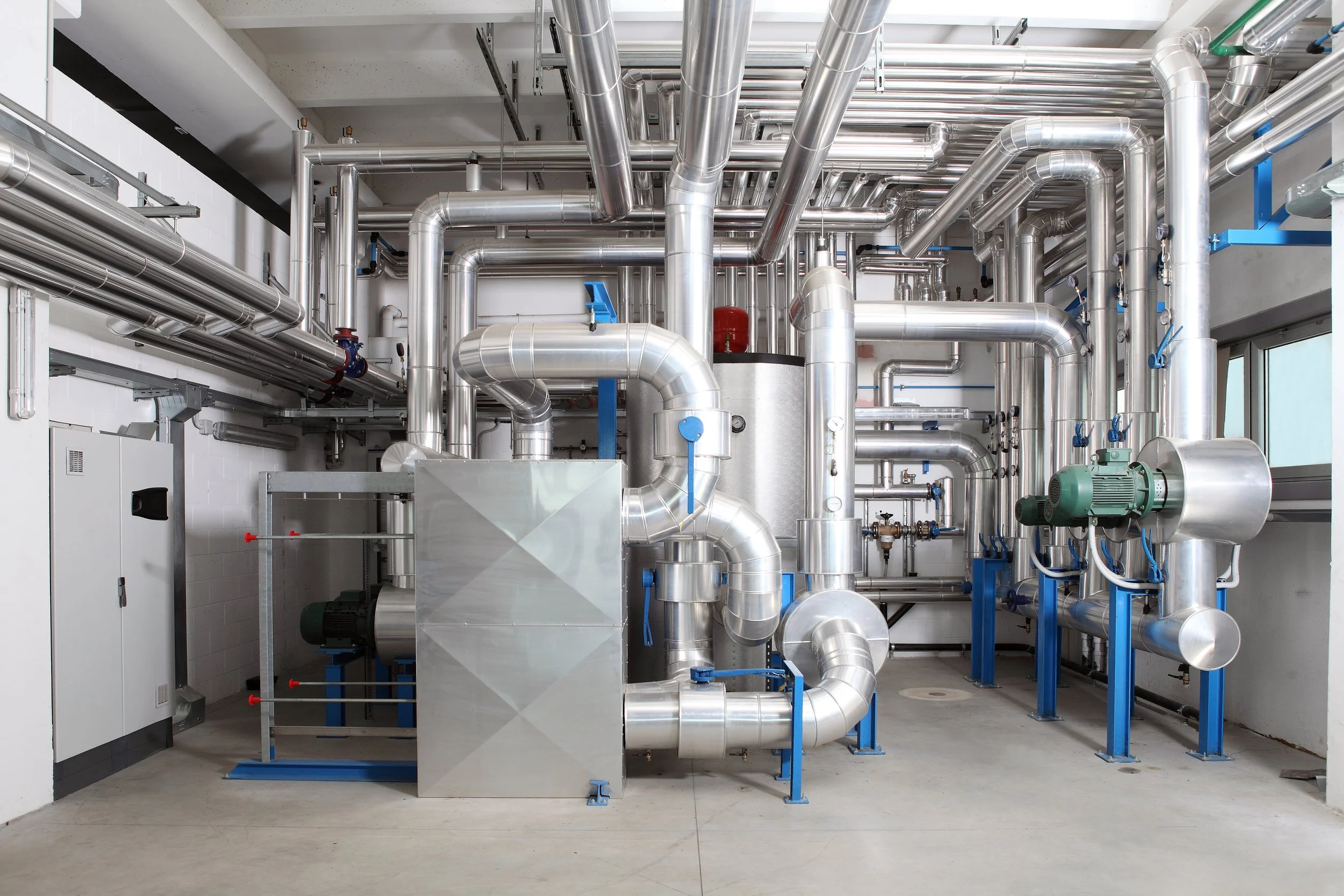
A heat network transfers thermal energy for heating, cooling and/or hot water. Examples include:
Gas supplies serving communal boilers that provide heating and/or hot water to multiple tenants;
Electricity supplies powering systems such as ground source heat pumps.
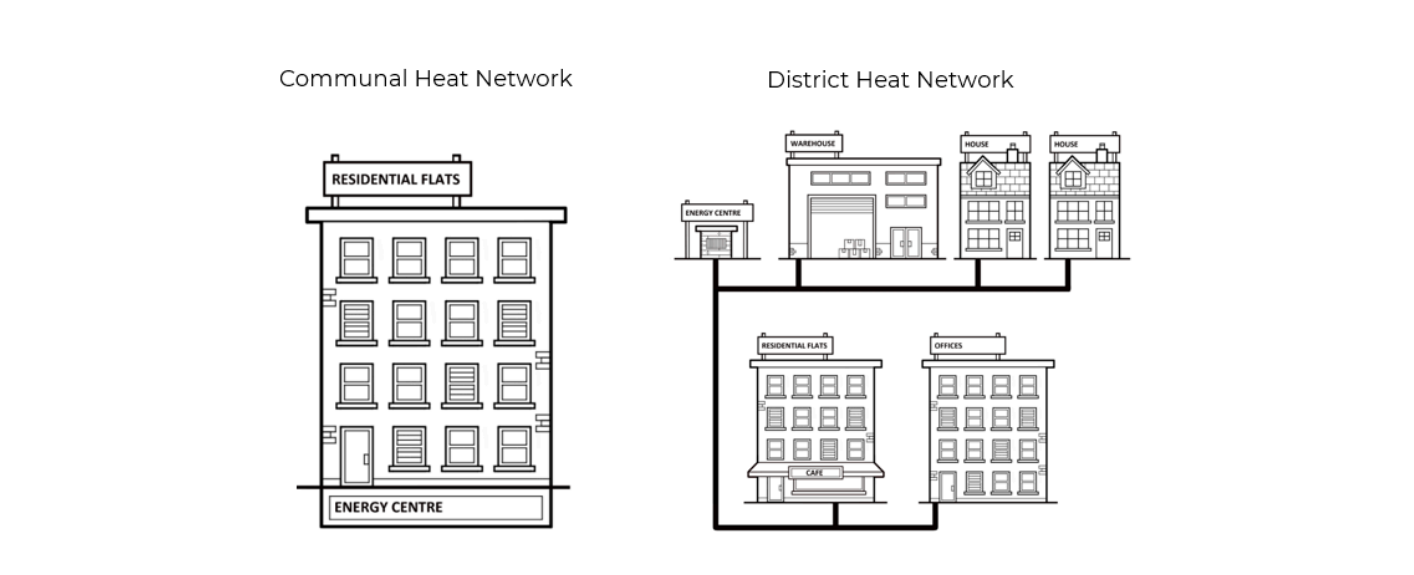
Heat networks may be:
Communal Heat Networks - serving a single building divided into separate premises;
District Heat Networks - serving two or more buildings
A single scheme may include both elements.
Regulatory obligations for Operators and Suppliers:
Heat networks are run by Operators and Suppliers.
Operators:
Operators are responsible for controlling and maintaining the network. They must:
Exercise substantial control over reliability, efficiency and regulator compliance of the heat network;
Hold significant authority over major investment and infrastructure decisions.
The Operator is typically the entity with control over the relevant material assets. In leasehold arrangements, this is often the freeholder unless a Right to Manage (RTM) or Residents Management Company (RMC) model is in place. Responsibilities must be clearly defined where management structures differ.
Operators may appoint third parties with Significant Managerial Responsibility or Influence (SMRI), provided they are deemed fit and proper.
Suppliers:
Suppliers provide heating, cooling and/or hot water to their heat network customers. They must:
Maintain a contractual relationship with their customers;
Set charges, issue bills, provide customer service and manage complaints;
Act as the primary customer contact.
Heat supply contracts may be contained within leases, tenancy agreements, service charge arrangements or standalone supply agreements.
Exemptions or reduced obligations:
Exemptions include:
Houses in Multiple Occupation (HMOs) with shared facilities, of a kitchen or bathroom, and a shared heating system are not treated as separate premises.
Converted buildings with domestic systems with a maximum thermal capacity of 45 kW.
Third-party waste heat producers (e.g. data centres who harvest and serve waste heat) are not directly regulated.
Reduced requirements apply to:
Self-Supply heat networks where all the heating, cooling and/or hot water is provided and used by the same authorised person (e.g. campuses, hospitals, prisons).
Industrial heat networks where all the heating, cooling and/or hot water is used to serve an industrial process.
Shared Ground Loop (SGL) heat networks with individual consumer heat pumps.
These networks must still register but are subject to lighter information and compliance requirements.
Next steps for registration:
Key initial points:
A centralised ‘Digital Service for Heat networks Regulation’ space is expected to launch in Spring 2026.
All Operators and Suppliers with deemed authorisation must register by 27/01/2027.
Registration is initiated by the Operator.
A Regulatory Contact must be appointed to manage access and confirm submission accuracy.
Registration requires:
Organisation-level information (including financial resilience).
Technical network details.
Customer numbers and categories (including vulnerable customers).
Compliance declarations (including a continuity plan for transfer of data and assets if required).
Registration does not involve an assessment or approval process. Once submitted, it is considered complete unless OFGEM seeks clarification.
Each registration will receive a unique reference ID.
OFGEM will host support webinars and provide additional guidance materials. The first webinar is scheduled for Thursday 5th March 2026 which focuses on preparing for registration and is aimed at Operators and Suppliers or their representatives.
Book your visit:
We have now begun carrying out site visits to capture the required information in readiness for registration.
If you would like to schedule a visit to ensure your network is fully documented ahead of the registration window opening, please contact us via our website to arrange a booking.