

Capacity Level Case Studies
-

Vincent Management Ltd
Capacity level reduction was delivered for the benefit of the community through close coordination with all stakeholders. The solution required no infrastructure upgrades or operational changes while generating over £10,200 saving per year for the residents.
-

St George PLC
At Vantage Building, rising network charges were driving up electricity costs even though the site wasn’t using the full capacity it was paying for. Over £9,400 per year was saved after completing our Capacity Level Reduction service.
-
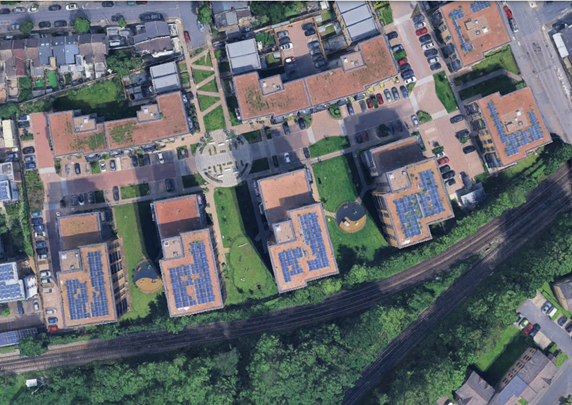
Victoria Way Management Company ( Charlton Phase 2) Ltd
Powell House is one of the residential blocks in Victoria Way, Greenwich. A new Maximum Import Capacity (MIC) was agreed with an Independent District Network Operator (IDNO) to achieve over £16,800 per year savings for the residents.
-
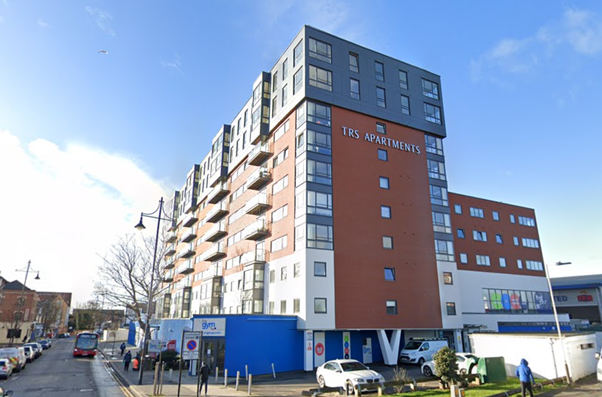
TRS Asset Management Ltd
TRS Apartments instructed Energunite to analyse three years of Half-Hourly demand data where significant unused capacity was identified. The agreed capacity level was reduced, whilst maintaining a reasonable buffer above their maximum demand, resulting in over £12,100 per year savings.
-
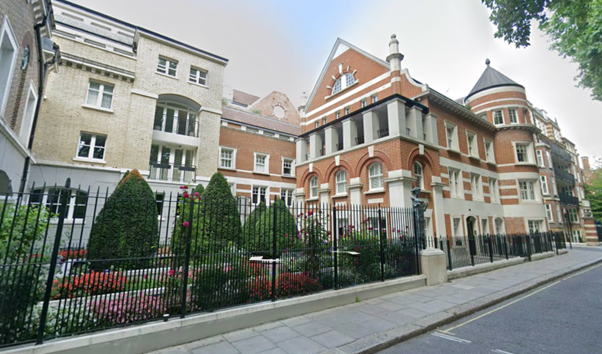
Vincent Square Flats Management Ltd
Projected Distribution and Transmission Network costs exceeded £7,000 per year for 68 Vincent Square with the unused capacity providing no operational benefit. Following coordination with all stakeholders the capacity level was reduced resulting in over £4,600 per year savings with no infrastructure or behavioural changes required.
-

Leporce Ltd
Leporce Ltd is a leading importer and stockist of vitrified porcelain tiles based in the commercial TRS Unit 5 in Southall, West London. They saved over £6,100 per year through the capacity level reduction exercise.
-

Dominus Property Developments Ltd
Saxon Apartments is saving over £2,300 per year after completing their capacity level reduction. The savings continue to grow at a faster pace in line with the rising electricity network costs passed through to energy end consumers to recover the costs of developing the UK energy infrastructure.